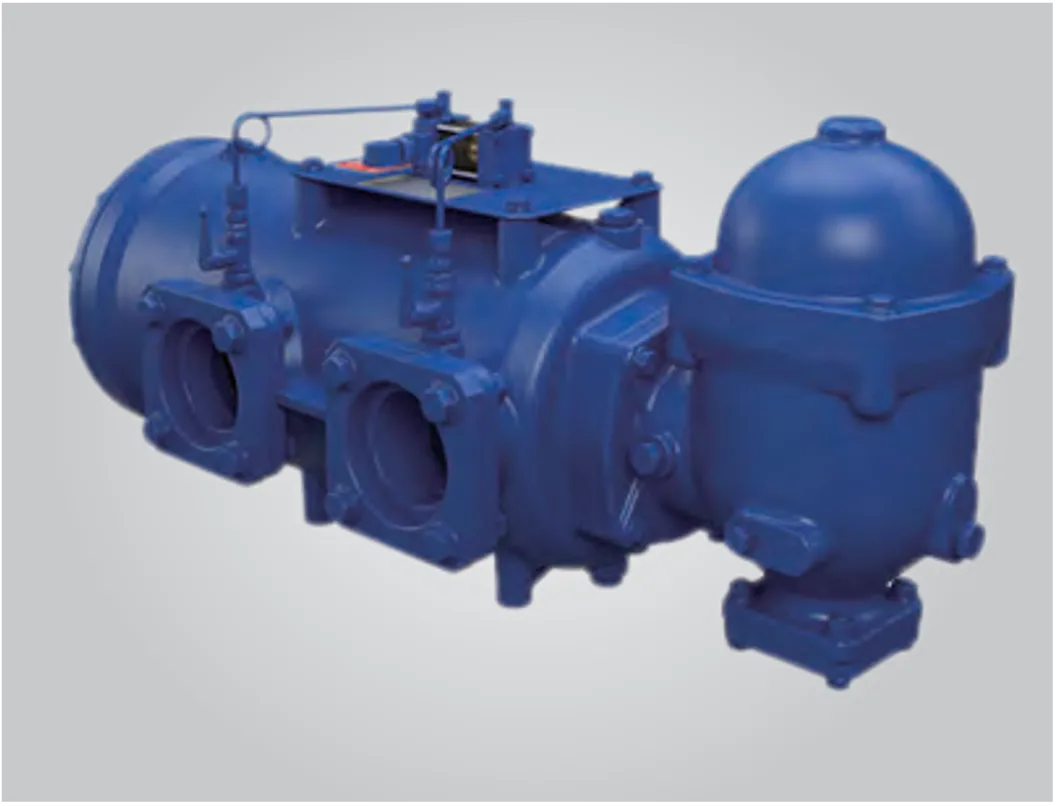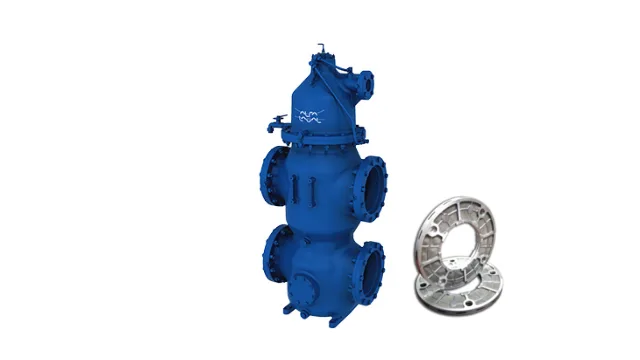
In the engine room of a modern vessel, the automatic backwash filter is the unsung hero of operational continuity. Among the most widely utilized systems globally is the Alfa Laval Moatti series, trusted to protect large-bore two-stroke propulsion engines, four-stroke auxiliary engines, and heavy-duty hydraulic lines.
When procuring replacement elements or troubleshooting high differential pressure (ΔP) alarms, marine engineers and purchasing managers frequently encounter two distinct components within the same filter housing: the Full-Flow Element and the Diversion (or Backwash/Bypass) Element.
Understanding the mechanical, structural, and operational differences between these two elements is critical to ensuring main engine protection, optimizing backwash efficiency, and avoiding catastrophic component wear.
1. The Core Operational Philosophy
To understand the difference between the elements, one must first understand how a Moatti filter operates. Unlike traditional duplex filters that require manual changeover and cleaning, the Moatti system utilizes a continuous, automated backwash cycle powered by an internal hydraulic motor or a mechanical pressure differential.
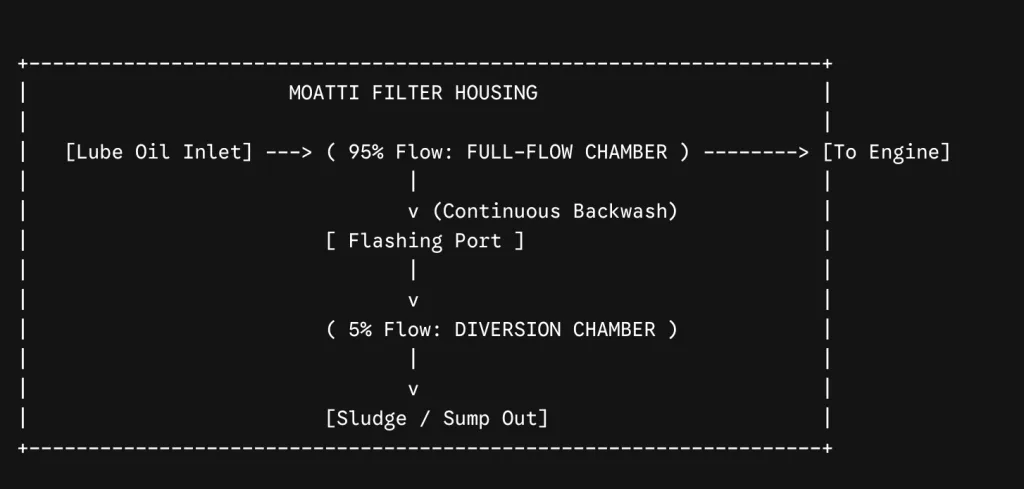
- The Full-Flow Element operates on the offensive front line. It handles the vast majority of the oil volume, filtering out particulates immediately before the lube oil enters the engine’s main distribution manifold.
- The Diversion Element operates on the defensive back line. It handles a highly concentrated, lower-volume stream of sludge and particles that have been blasted off the full-flow elements during the backwash phase.
2. The Full-Flow Filter Element
The Full-Flow elements are the primary working units stacked within the main chambers of the filter housing.
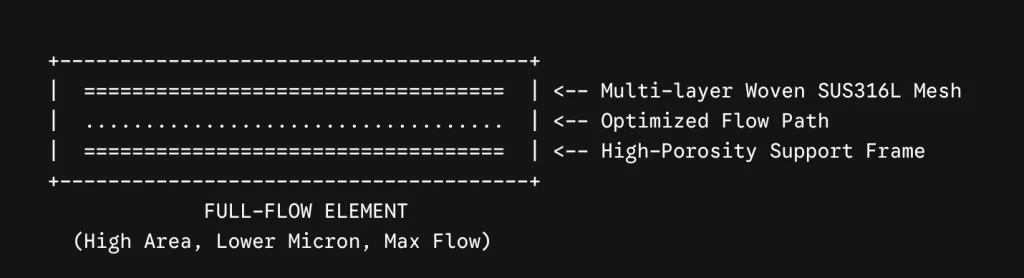
Purpose & Function
As the name implies, 100% of the oil required by the engine (minus the small percentage used for backwashing) passes through these elements during normal operation. Their job is to trap metallic wear debris, soot, carbon sludge, and highly dangerous catalytic fines (cat-fines) down to an absolute micron rating (typically between 10 to 49 microns, depending on engine specifications).
Structural Characteristics
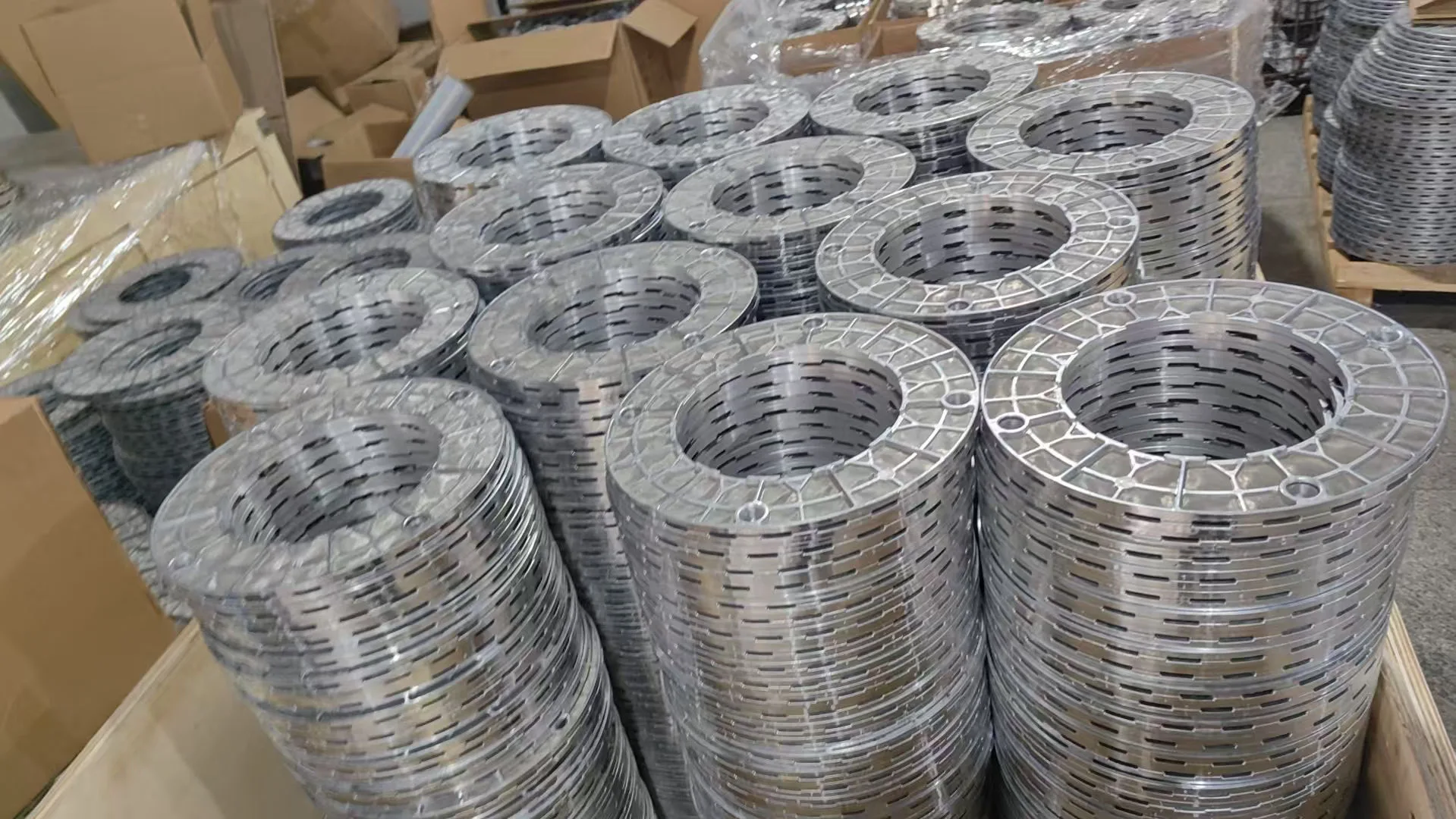
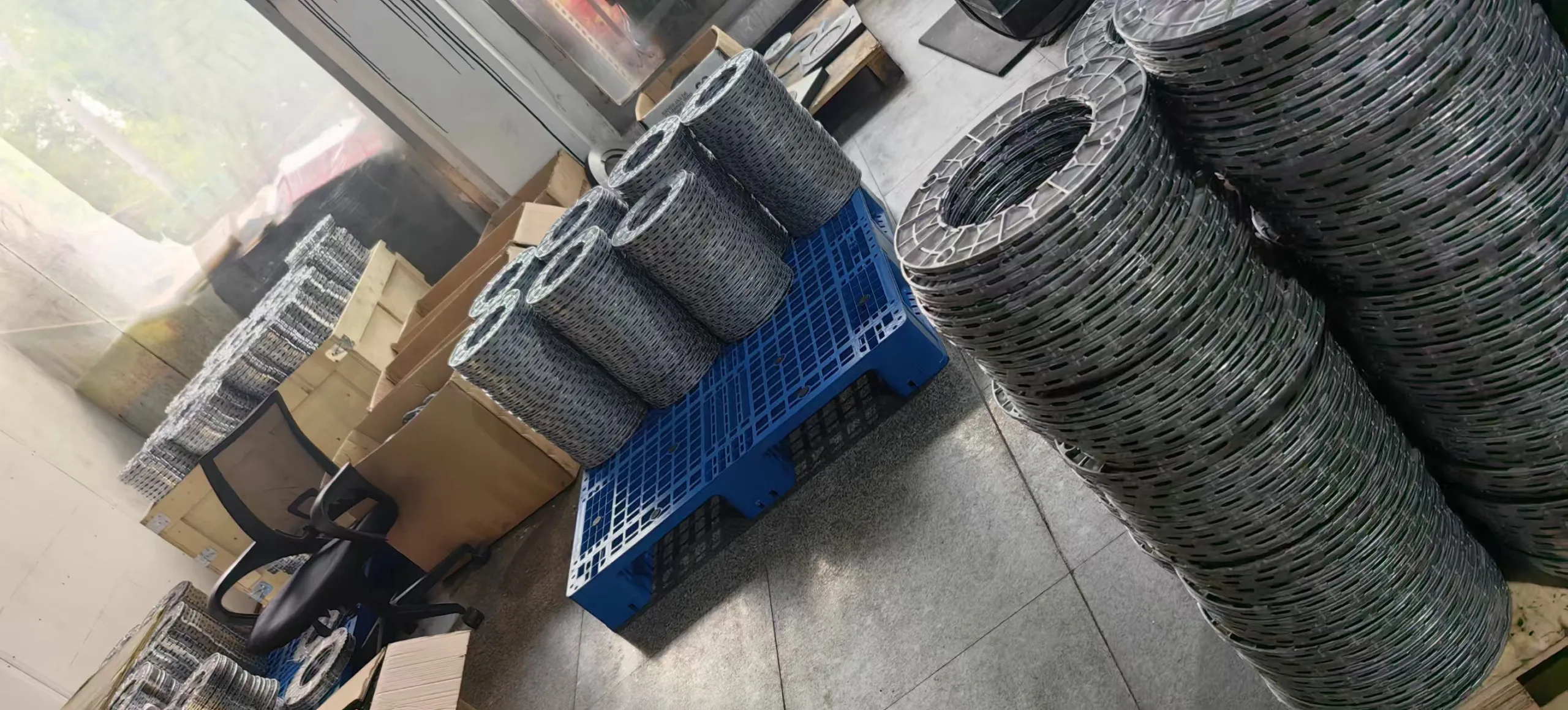
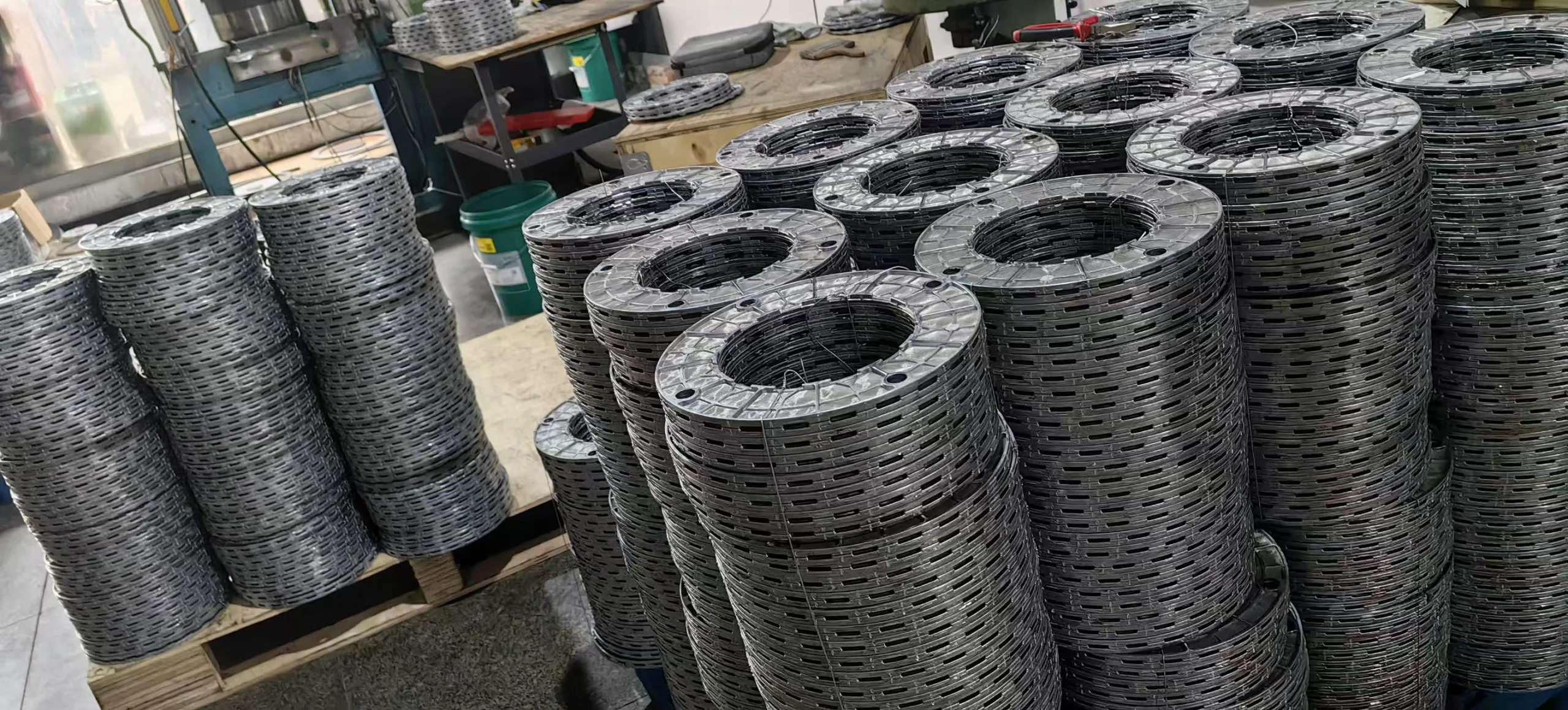
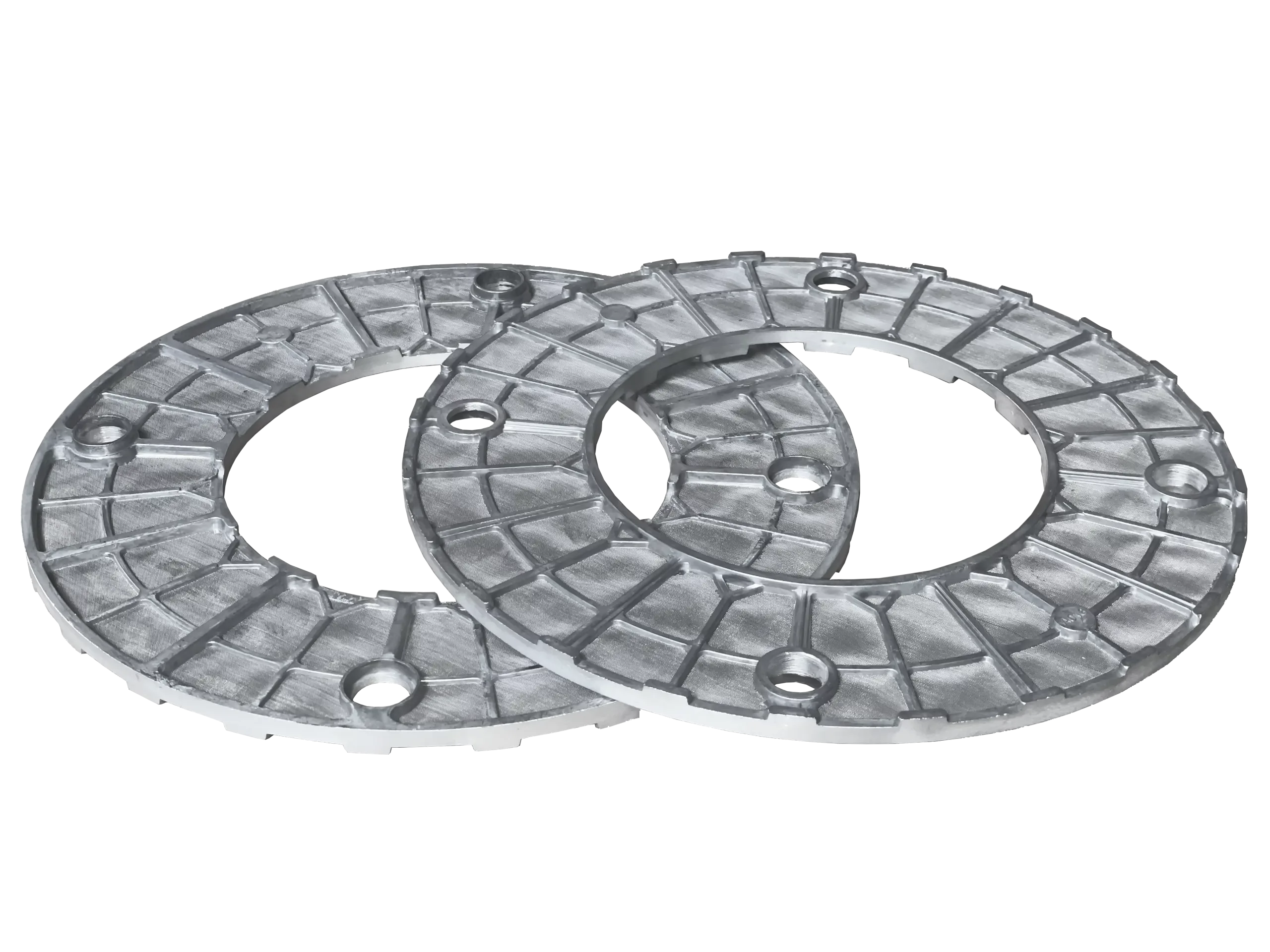
- High Surface Area: Because they handle massive volumetric flow rates, full-flow elements feature a highly optimized, disc-like or pleated structural layout designed to maximize surface area and minimize initial pressure drop (ΔP).
- Premium Mesh Construction: They are typically constructed using multi-layer SUS316L stainless steel woven wire mesh. The outer layer provides the precise micron-rated filtration, while inner layers provide mechanical support.
- Configuration: On models like the Moatti 150D, 240, 280, and 350, these are supplied as symmetrical matching halves (1 PC = 2 parts) that lock tightly around the central distributor column to form a perfect, bypass-free seal.
3. The Diversion (Backwash) Filter Element
The Diversion element is located in a separate, dedicated compartment—often near the bottom or center axis of the filter unit, completely isolated from the main oil flow going to the engine.
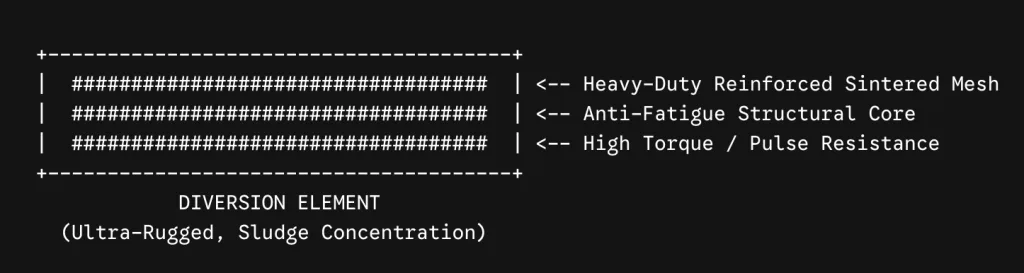
Purpose & Function
As the internal flushing arm of the Moatti filter rotates, it momentarily cuts off a section of full-flow elements from the inlet pressure and exposes them to a lower-pressure drainage path. This sudden reversal causes clean oil to rush backward through the full-flow mesh, blasting off the trapped contaminants.
This highly concentrated “dirty” flushing oil is diverted directly into the Diversion Element. The diversion element filters this concentrated sludge, allowing clean oil to return to the engine oil sump, while retaining the heavy particulates inside a sludge collection chamber for periodic manual blowing down or drainage.
Structural Characteristics
- Extreme Mechanical Strength: Diversion elements are subjected to violent, rapid pressure pulses and continuous hydraulic turbulence. Therefore, they are built much tougher than full-flow elements. They often utilize sintered multi-layer stainless steel mesh or reinforced perforated heavy-gauge steel cores to prevent structural collapse.
- Fouling Resistance: Because they handle concentrated sludge and soot, the weave of a diversion element is explicitly engineered to resist “blinding” (permanent clogging). It favors easy particulate release over ultra-fine particle capturing.
- Form Factor: Depending on the exact generation of the Moatti filter, the diversion element may look like a rugged, heavy sleeve, a specialized thick cartridge, or a smaller, reinforced disc stack capable of withstanding massive pressure differentials.
4. Head-to-Head Comparison
| Feature | Full-Flow Element | Diversion (Backwash) Element |
| Primary Location | Main filter chambers / Columns | Dedicated diversion/sludge chamber |
| Fluid Volume Handled | ~95% to 98% of total lube oil pump flow | ~2% to 5% (Continuous backwash stream) |
| Downstream Destination | Directly to the main engine bearings & crossheads | Returns clean oil to the sump; concentrates sludge to the drain |
| Mechanical Stress | Continuous static fluid pressure | Violent, rapid hydraulic pressure pulses (ΔP) |
| Material Build | Precision-woven multi-layer SUS316L mesh | Heavy-duty sintered mesh with reinforced core |
| Common Failure Mode | Progressive blinding (fine soot); mesh tearing due to old age | Structural cracking at weld points; severe sludge caking |
5. Maintenance & Sourcing Insights for Ship Operators
Understanding this division of labor changes how fleet managers and chief engineers handle spare parts procurement:
1. Never Intermix or Substitute
Because they look vaguely similar in material composition, inexperienced procurement teams occasionally mistake one for the other based solely on a generalized description. Installing an aftermarket element with incorrect flow or strength ratings into the diversion chamber will result in a rapid structural blowout, flooding the engine room system with unfiltered sludge. Always verify exact part numbers matching your filter’s specific technical configuration (e.g., Moatti 240 Full-Flow Set vs. Moatti 240 Backwash Element).
2. Monitor ΔP Symptoms Distinctly
- If the Main Filter ΔP rises steadily over days, the Full-Flow elements are likely reaching the end of their operational lifespan or the engine oil is experiencing heavy fuel-soot contamination.
- If the Backwash Cycle runs continuously without dropping the differential pressure, or if the filter fails to trigger backwashing effectively, the Diversion element or its associated flushing port mechanisms are likely choked with hardened sludge or heavily restricted.
3. Factory-Direct Quality Verification
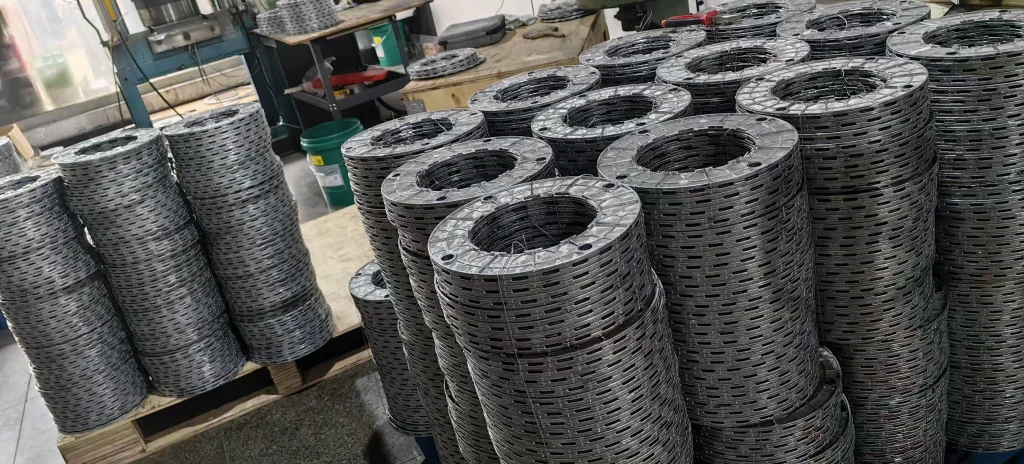
When sourcing aftermarket replacement elements, ensuring structural integrity is critical. While full-flow elements require immaculate micron weaving tolerances to catch microscopic cat-fines, diversion elements require flawless micro-welding to survive millions of backwash pulses.
At Source Filtration, we manufacture both Full-Flow and Diversion elements strictly to technical drawings using premium SUS316L matrices. Every batch undergoes rigorous differential pressure testing and dimensional alignment checks to ensure zero-bypass reliability at a factory-direct commercial edge.
Conclusion
The Moatti Full-Flow and Diversion elements are two halves of a perfectly synchronized safety system. The Full-Flow element ensures that every drop of oil reaching critical engine surfaces is pristine, while the Diversion element safely concentrates and isolates the debris without interrupting operations. By treating these components with distinct maintenance and procurement protocols, ship operators can guarantee maximum engine longevity, stable oil pressures, and trouble-free voyages.